



Medically reviewed by Dr Sulaiman Shah, GMC No. 7038832 — The GP Clinic , 124 City Road, London.
Last updated: September 11, 2026
Quick answer: An ear infection is inflammation of the outer, middle or inner ear, usually caused by bacteria or a virus, and is one of the most common reasons people see a GP in the UK. Most clear up within 3–5 days, but persistent pain, discharge, high fever, or hearing loss should be assessed by a GP — treatment ranges from pain relief and ear drops to prescription antibiotics.
An ear infection can develop quickly and become extremely painful within hours, causing throbbing pain, temporary hearing loss, and discomfort that makes sleeping, concentrating, and daily life difficult. It’s one of the most common reasons people visit a GP in the UK, affecting both children and adults throughout the year. The good news: with the right diagnosis and treatment, most infections clear up quickly and completely.
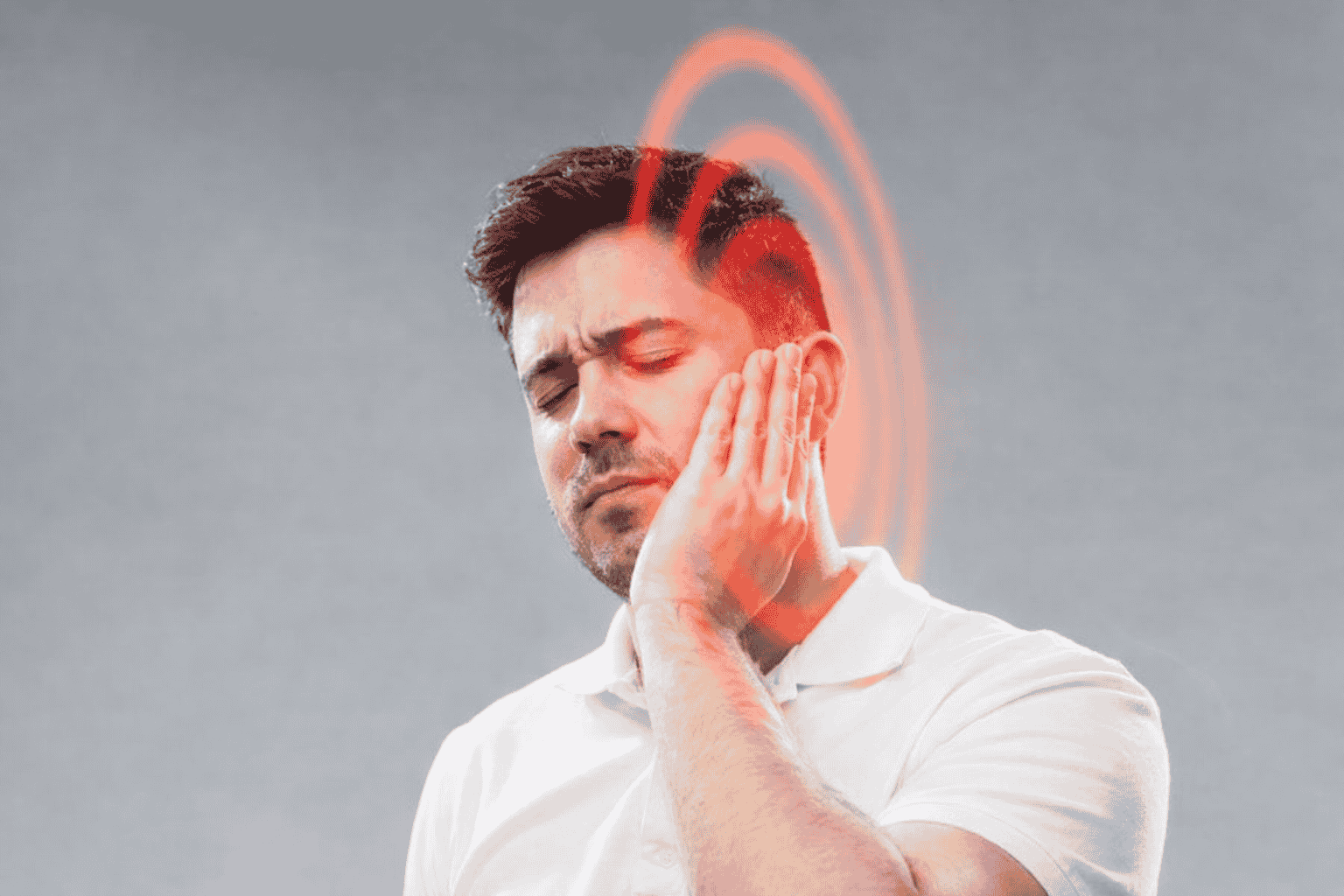
Symptoms vary depending on whether the outer, middle, or inner ear is affected. The most common signs of an ear infection include:
Outer ear infection (otitis externa) — also known as swimmer’s ear, this affects the ear canal itself and is often caused by bacteria or fungus. It’s common in people who swim regularly or use cotton buds frequently, and is usually treated with antibiotic or antifungal drops.
Middle ear infection (otitis media) — the most common type overall, particularly in children under 5. It’s typically caused by bacteria or a virus following a cold, and brings ear pain, fever, and temporary hearing loss. Most cases resolve within 3–5 days without antibiotics; a bacterial infection that doesn’t improve within 72 hours may need prescription treatment.
Inner ear infection (labyrinthitis) — a more serious condition causing significant dizziness, nausea, and balance problems. This needs prompt medical assessment and prescription treatment.
Middle ear infection is most common in children under 5, largely because their Eustachian tubes are shorter and more horizontal, making it easier for infection to spread from the nose and throat. In babies and young children, watch for tugging at the ear, irritability, disturbed sleep, and reduced appetite alongside fever, since they can’t always describe the pain directly.
In adults, this kind of infection is less frequent but often linked to colds, swimming, or irritation of the ear canal from cotton buds, hearing aids, or earphones. Adults are somewhat more likely to develop an outer ear infection than the middle ear infections that dominate in childhood.
Book an online GP appointment if:
Most infections resolve without lasting effects, but on occasion complications can develop:
This is exactly why persistent or worsening symptoms shouldn’t be left untreated — most complications are preventable with timely GP assessment.
Our doctors can assess your symptoms quickly and provide a complete treatment plan without delay:
Around 16,000 ear-related GP appointments are made every week across the UK (NHS Digital). You don’t have to sit in a waiting room to be seen. Our online GPs are available 7 days a week — get diagnosed, get your prescription, and start feeling better today.
Most improve within 3–5 days, even without antibiotics. If pain, fever, or discharge persist beyond this, it’s worth a GP assessment.
Yes — if clinically appropriate after assessing your symptoms, our GPs can prescribe drops or oral antibiotics, sent directly to your chosen pharmacy.
Flying can be uncomfortable and sometimes risky due to pressure changes, particularly with a perforated eardrum. It’s best to get a GP assessment before flying if you have symptoms.
Outer infections affect the ear canal (often linked to swimming), middle ear infections affect the space behind the eardrum (most common in children), and inner ear infections (labyrinthitis) affect balance and hearing structures and tend to be more serious.
Most cause only temporary hearing changes that resolve once it clears. Permanent hearing loss is uncommon but can occur with repeated or untreated infections.
Children’s Eustachian tubes are shorter and more horizontal than adults’, making it easier for infection to spread from the nose and throat to the middle ear.
Sudden ear pain that then eases, followed by fluid or blood discharge, along with possible temporary hearing loss, tinnitus, or dizziness. Most perforations heal on their own within about two months.
Mild symptoms can sometimes settle with paracetamol or ibuprofen for pain relief, but if pain is severe, lasts more than 3 days, or you notice discharge or fever, a GP assessment is recommended to check whether a bacterial cause needs antibiotics.
A rare but serious infection of the bone behind the ear, usually developing from an untreated middle ear infection. Warning signs include swelling or tenderness behind the ear, fever, and drowsiness — it needs prompt medical attention.
If infections keep recurring, your GP may refer you to an ENT (ear, nose and throat) specialist for further assessment and to check for underlying causes.




Simple. Fast. Efficient. We have streamlined the process.