
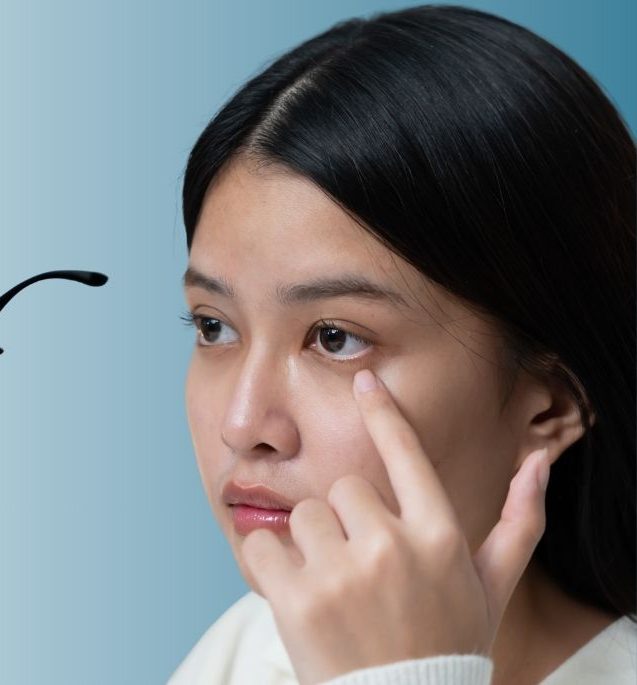


Dry eye syndrome is one of the most common and most underdiagnosed eye conditions in the United Kingdom, affecting an estimated 4 million people every single year. It occurs when the eyes either do not produce enough tears, or produce tears that evaporate too quickly — leaving the surface of the eye unprotected, irritated, and inflamed.
Despite its name, dry eye syndrome does not always make the eyes feel dry. Many sufferers experience the opposite — constantly watering, streaming eyes — as the body attempts to compensate for poor tear quality by overproducing low-quality tears that offer little actual protection.
With screen time at an all-time high across the UK, cases of dry eye syndrome are rising rapidly — particularly among office workers, students, and anyone who spends extended hours in front of a computer, phone, or tablet.
Dry eye symptoms are often dismissed as minor irritation — but left untreated they can significantly impact vision, comfort, and quality of life. The most common signs our GPs see include:
Understanding the root cause of your dry eyes is essential for finding the right long-term treatment. The most common causes our GPs identify include:
Age: Tear production naturally declines with age. Dry eye syndrome is significantly more common in adults over 50 and is particularly prevalent in women going through the menopause due to hormonal changes that directly affect tear gland function.
Prolonged Screen Use When focusing on a screen, people blink up to 60% less frequently than normal — dramatically reducing the spread of tears across the eye surface. This is now one of the leading causes of dry eye syndrome in younger adults across the UK.
Medications A wide range of commonly prescribed medications can reduce tear production as a side effect — including antihistamines, antidepressants, blood pressure medication, hormone replacement therapy, and certain acne treatments.
Environmental Factors Air conditioning, central heating, wind, and low humidity all accelerate tear evaporation — making symptoms significantly worse indoors during winter and in office environments year-round.
Blepharitis, inflammation of the eyelid margins caused by blocked oil glands, is one of the most common underlying causes of chronic dry eye syndrome and requires its own specific treatment in addition to general dry eye management.
Contact Lens Wear Extended contact lens wear reduces the amount of oxygen reaching the eye surface and accelerates tear evaporation — making dry eye syndrome considerably more common among regular lens wearers.
You should book an online GP appointment if:
Our doctors will conduct a thorough assessment of your symptoms, lifestyle, medication history, and screen habits before recommending the most appropriate treatment plan for your individual case:
✓ Prescribe high-strength lubricating eye drops or gel not available over the counter
✓ Review your current medications and adjust where dry eyes are a known side effect
✓ Recommend a warm compress and eyelid hygiene routine for blepharitis-related dry eyes
✓ Advise on screen habits, blinking exercises, and environmental adjustments
✓ Recommend omega-3 fatty acid supplementation to improve tear oil quality
✓ Refer you to an ophthalmologist for specialist dry eye investigation if symptoms are severe or chronic
Dry eye syndrome costs the UK economy an estimated £1.5 billion every year in lost productivity, medical appointments, and over-the-counter treatments — yet the majority of sufferers have never received a formal diagnosis or prescription-strength treatment. Our online GPs are available 7 days a week — get diagnosed, get the right treatment, and start seeing clearly again today.
Book an Online GP Appointment — Same Day Slots Available
NHS England — Dry Eyes Published: December 2023 | Last Reviewed: December 2023
NHS England — Dry Eyes Causes Published: December 2023 | Last Reviewed: December 2023
College of Optometrists — Digital Eye Strain Published: 2023 | Last Reviewed: 2023
NICE Clinical Knowledge Summary — Dry Eye Syndrome Published: 2022 | Last Reviewed: 2022
NHS England — Blepharitis Published: January 2023 | Last Reviewed: January 2023
British Contact Lens Association — Dry Eye & Contact Lenses Published: 2023 | Last Reviewed: 2023
The Lancet — Burden of Dry Eye Disease in the UK Published: 2021 | Last Reviewed: 2021




Simple. Fast. Efficient. We have streamlined the process.