Confused about fit notes? Discover when they’re required, what they contain, and how they help employees return to work safely.




If you’ve been off work sick and someone’s mentioned needing a medical doctor notes, they almost certainly mean a fit note. Honestly, the terminology around this whole thing causes way more confusion than it should. People still say “sick note” out of habit, employers sometimes ask for “a doctor’s letter,” and the official name, Statement of Fitness for Work, hardly ever gets used outside of paperwork. Nobody talks like that.
This guide sorts out what the note actually is, when you genuinely need one, who’s allowed to issue one these days, and the bits of the process that most people, and honestly most articles online, never bother explaining properly.
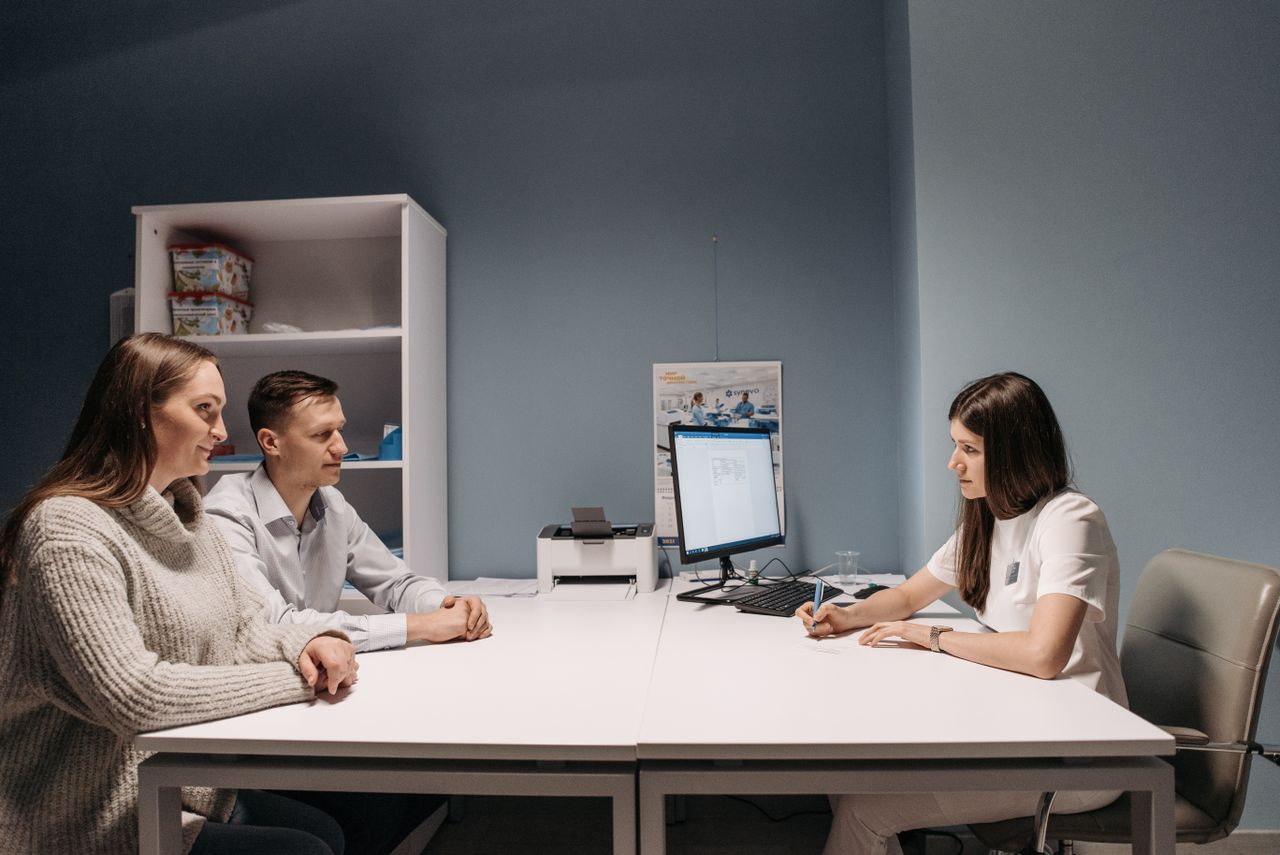
A fit note is the official document a healthcare professional gives you to confirm whether you’re unfit for work, or fit for work with a bit of support, because of illness or injury. It replaced the old sick note system back in 2010, and the change was more than just a name swap. The old system gave doctors exactly one option: sign you off completely, full stop. The fit note added a second, more useful option. Your GP can now say you “may be fit for work” if your employer’s able to offer something like reduced hours or lighter duties.
That second option gets mentioned constantly online, but rarely explained well. Here’s the catch: nobody spells out clearly enough. If your employer genuinely can’t make the suggested adjustments happen, the note gets treated exactly as if it said you’re not fit for work at all. So that flexibility only actually helps if your workplace has the means to accommodate it in the first place.
This is where most of the confusion starts, and it’s an easy fix once you know it. If you’re off sick for seven calendar days or less, weekends and bank holidays included, you don’t need a doctor’s note at all. You self-certify instead, which just means letting your employer know you’re unwell. Some workplaces will ask you to fill in an SC2 self-certification form once you’re back, which you can grab from your employer or straight from HMRC.
Employers genuinely aren’t allowed to demand medical evidence for anything under that seven day mark. Some try it anyway. If that happens to you, it’s worth knowing that if your employer insists on evidence before the seven days are up, they’re the ones who have to pay for it, not you.
Once your illness runs past seven days, your employer’s within their rights to ask for a fit note before approving statutory sick pay or company sick pay. Usually that means booking an appointment, though plenty of practices now handle this over the phone or through online consultations if a physical exam isn’t needed.
Here’s something most guides conveniently skip over. Since July 2022, doctors aren’t the only ones who can issue a fit note anymore. Nurses, pharmacists, occupational therapists and physiotherapists can all sign one off, as long as they’re treating you through NHS services and have had the proper training for it. If your GP surgery’s stretched thin, which let’s be honest, most are, this widening of who can issue notes is genuinely worth knowing about. It’s one of the biggest updates to the whole system, and it barely gets a mention anywhere.
There’s no single fixed length here. For a new illness, a doctor can issue a note covering up to three months at a time, though shorter notes of two to four weeks are far more common for straightforward conditions with a predictable recovery. Longer notes tend to come up with things like mental health conditions or musculoskeletal problems, where recovery just doesn’t follow a clean, predictable line.
Once you’ve been unwell for more than six months, doctors get more room to issue longer notes without needing to review you quite so often. That matters if you’re dealing with a long-term condition, since it means fewer appointments purely to renew paperwork once things have settled into a pattern.
This is the part almost nobody explains properly, and it genuinely matters. An NHS fit note carries legal standing under the Social Security (Medical Evidence) Regulations. A privately issued doctor’s note, the kind you get from an online GP service you’ve paid for directly, doesn’t carry that same automatic legal weight. Employers are entitled to refuse a privately obtained note if they want to, even if it’s written by a fully qualified, GMC registered doctor.
That’s not to say private notes are pointless. Plenty of employers accept them without any fuss, especially for shorter absences or when speed matters more than strict legal enforceability. But if you’re relying on a note to secure statutory sick pay or protect your job through a longer absence, an NHS fit note is the safer bet. Your employer has far less room to argue about its validity.
You’ll come across conflicting information about backdating a sick note, and that’s partly because it genuinely comes down to clinical judgement rather than one fixed rule. Some private services state notes typically can’t be backdated except in limited situations where a doctor decides it’s clinically appropriate. NHS practice tends to follow similar logic. If you saw another clinician, at a hospital for example, and your GP surgery has written evidence of that, they might be able to issue a note covering that earlier period. Without that evidence though, don’t count on backdating as a default option.
Employers are legally required to accept a valid NHS fit note as proof of sickness. What they’re not required to do is agree to every single adjustment suggested within it. If your employer decides the recommended adjustments simply aren’t practical, they can choose not to implement them, though the note itself still stands as valid evidence of your condition.
If a dispute goes further and your employer questions your absence altogether, they might ask for a second opinion from another healthcare professional, though they can’t force you to see a company appointed doctor if you don’t want to. Keeping clear records and staying in prompt communication with your employer throughout all of this genuinely makes a difference if things get contested later on.
If you’re feeling well enough to go back before your fit note’s end date, you don’t need to see a healthcare professional again to make that happen. Just talk to your employer directly. That applies whether you’ve recovered faster than expected, or your employer’s able to offer adjustments that make an earlier return realistic.
Getting a medical doctor notes in the UK is a far more layered process than the surface level explanations let on, from the seven day self-certification window right through to the legal difference between an NHS fit note and a privately issued one. Knowing which route actually applies to your situation, roughly how long a note lasts, and what your rights are if an employer pushes back, can save you a genuine amount of stress during an already difficult stretch.
If you’re off sick right now and not sure what you actually need, the safest first move is simply having a conversation with your GP practice about which type of note fits your circumstances.
It’s officially called a Statement of Fitness for Work, though most people just call it a fit note or sick note.
No. For absences of seven calendar days or less, you can self-certify instead of getting a note from a doctor.
Yes. From July 2022, nurses, pharmacists, occupational therapists and physiotherapists can issue fit notes, as long as they’re treating you through NHS services and properly trained to do so.
For a new illness, up to three months at a time, though shorter notes are more common at first, with longer ones typical for long-term conditions once six months have passed.
Not legally. Employers can refuse a privately issued note, whereas a valid NHS fit note carries proper legal standing.
Rarely, and only if a doctor judges it clinically appropriate, usually where there’s written evidence you were seen by another clinician earlier.
Employers are legally required to accept a valid NHS fit note, though they don’t have to implement every suggested adjustment within it.
Not if you’re off for more than seven days. If your employer asks for evidence within the first seven days, they have to cover any fee charged.
Yes. You don’t need to see a doctor again, just have a word with your employer directly if you’re feeling ready to return earlier.
A fit note is issued by a healthcare professional and covers absences over seven days. A self-certification form (SC2) is one you fill in yourself, for shorter absences that don’t need medical evidence.