


Medically reviewed by Dr Sulaiman Shah, GMC No. 7038832 — The GP Clinic, 124 City Road, London.
Last updated: September 11, 2026
Quick answer: Sinusitis is inflammation of the sinuses, usually triggered by a cold or virus, causing facial pain, a blocked nose, and thick mucus. Most cases clear on their own within 2–3 weeks. See a GP if symptoms last longer than 10 days, you develop a high fever, or your face becomes swollen around the eyes.
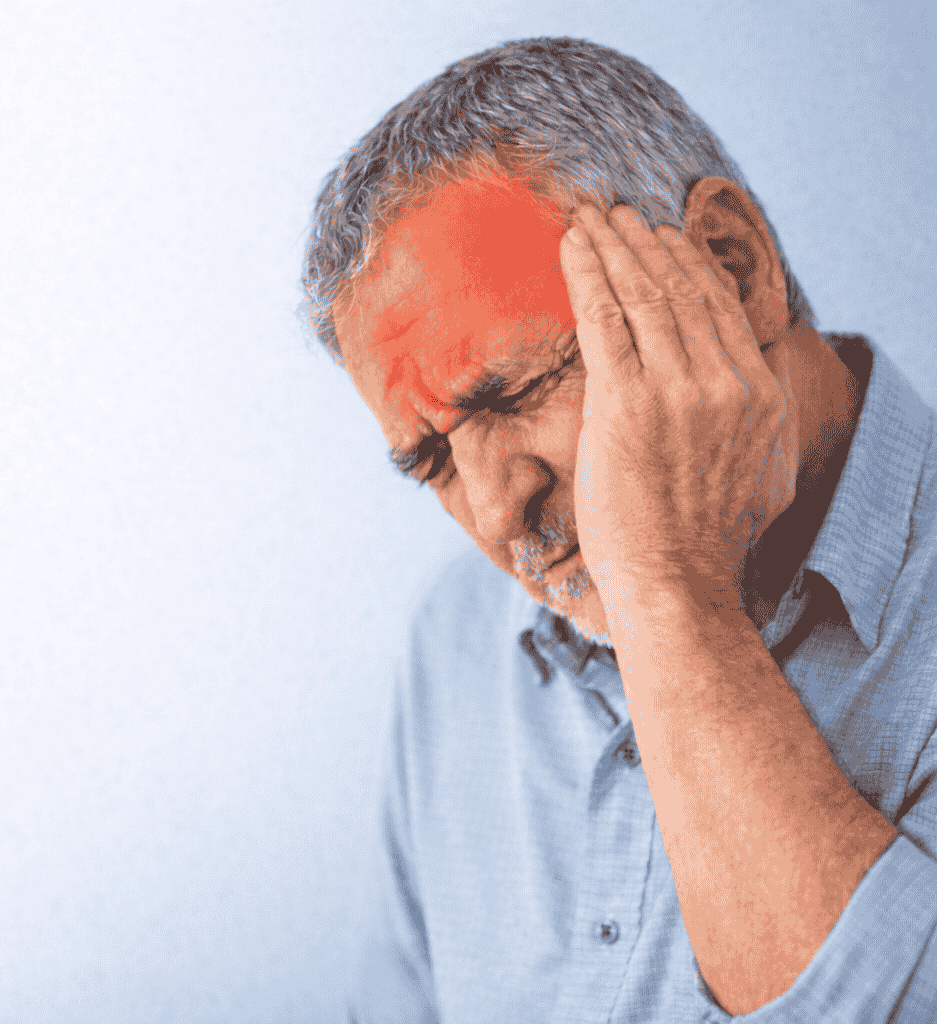
Sinusitis is one of the most frequently diagnosed conditions in UK general practice, affecting around 1 in 8 adults every single year. It occurs when the hollow cavities behind your cheekbones, forehead, and nose become inflamed and blocked — causing a build-up of mucus, pressure, and pain that can make even the simplest daily tasks feel exhausting.
Many people mistake sinusitis for a stubborn cold that refuses to clear, or even a migraine or toothache. Knowing the difference — and knowing when it needs medical treatment rather than time — is exactly where our online GPs can help.

Sinusitis symptoms can range from mildly irritating to completely debilitating, depending on the severity and type. The most common signs our GPs see include:
Most cases develop after a cold or upper respiratory infection, when the virus spreads to the sinus lining and causes swelling. Less commonly, sinusitis is caused by:
Sinusitis itself doesn’t spread from person to person, but the cold or virus that triggers it usually does — through coughing, sneezing, or touching contaminated surfaces. This is why sinusitis often appears in clusters within a household during cold and flu season.
| Condition | Key Distinguishing Signs |
|---|---|
| Sinusitis | Facial pain worse leaning forward, thick coloured mucus, reduced smell, follows a cold |
| Migraine | Throbbing one-sided head pain, sensitivity to light/sound, nausea; nasal symptoms are usually mild or absent |
| Dental infection | Pain concentrated on one tooth, worsens when biting or with hot/cold food, no widespread facial pressure |
| Common cold | Clear runny nose, sneezing, mild symptoms that peak by day 3–5 and steadily improve |
| Cluster headache | Severe one-sided pain around one eye, watering eye, occurs in sudden attacks |
One of the clearest signs that a viral sinus infection has turned bacterial is a pattern doctors call double sickening. This is when you start to feel like you’re recovering from a cold, only to suddenly worsen again a few days later — with a new high fever, intense facial pain, and thick discharge returning. This pattern often means a secondary bacterial infection has taken hold and may need antibiotic treatment, rather than more time to settle on its own.
A GP will usually diagnose sinusitis based on your symptoms and by examining the inside of your nose, checking for swelling, discharge, and tenderness over the sinuses. They’ll ask how long you’ve had symptoms and whether they’re improving or worsening, since duration is the main clue separating a viral infection from a bacterial one. Imaging or nasal swabs are rarely needed for routine cases, and are usually reserved for chronic or recurrent sinusitis.
Most sinusitis clears without any lasting problems, but in rare cases an untreated infection can spread beyond the sinuses, leading to:
Swelling around the eyes, severe headache, confusion, or a stiff neck alongside sinusitis symptoms should be treated as a medical emergency.
Our doctors carry out a full assessment of your symptoms and history before recommending the most appropriate treatment for your case:
Most sinusitis is caused by a virus, and antibiotics have no effect on viral infections — they only work against bacteria. Prescribing them too early doesn’t speed up recovery and contributes to antibiotic resistance. This is why GPs often recommend a short period of “watchful waiting” before considering a prescription.
These can ease discomfort but won’t clear a bacterial infection on their own:
Book an online GP appointment if:
Sinusitis accounts for over 1 million antibiotic prescriptions in the UK every year — making it one of the most overtreated and undertreated conditions at the same time. Getting the right diagnosis is everything. Our online GPs are available 7 days a week — no waiting room, no travel, just fast and accurate care from wherever you are.
Book an Online GP Appointment — Same Day Slots Available
NHS England — Sinusitis Published: January 2023
NICE Guidelines NG241 — Sinusitis Last Updated: April 2022
NICE CKS — Sinusitis Last Reviewed: 2022
Acute sinusitis typically clears within 2–3 weeks, most of it caused by a virus. If symptoms last longer than 10 days without improving, it may have turned bacterial and could need treatment from a GP.
Sinusitis itself isn’t contagious, but the cold or virus that triggers it usually is, spreading through coughing, sneezing, or contaminated surfaces.
Yes. If a GP assesses your symptoms and confirms a likely bacterial infection, they can prescribe a targeted course of antibiotics along with any other treatment you need.
There isn’t really a difference — “sinus infection” is simply the everyday term people use for sinusitis, which is the medical name for inflammation of the sinuses.
Bacterial sinusitis is more likely if symptoms last beyond 10 days, worsen after initially improving (double sickening), or come with a high fever and severe facial pain.
No. Most cases are viral and clear on their own with rest, fluids, and pain relief. Antibiotics are only helpful for confirmed or strongly suspected bacterial infections.
Most cases resolve without issue, but in rare cases an untreated infection can spread to the eyes, bones, or brain, or develop into chronic sinusitis.
Yes. Pressure in the maxillary sinuses sits directly above the upper back teeth, so sinusitis can cause pain that feels like toothache.
Flying can be uncomfortable and occasionally painful with blocked sinuses, due to pressure changes during takeoff and landing. Using a decongestant beforehand can help; severe cases may be best to postpone travel.
Acute sinusitis lasts up to 4 weeks and is usually triggered by a cold. Chronic sinusitis lasts more than 12 weeks and often needs specialist investigation to find the underlying cause.
Yes. If your symptoms are severe enough to affect your ability to work, our online GPs can issue a fit note as part of your consultation.
Many standard sinusitis treatments aren’t suitable during pregnancy. A GP can advise on which pain relief, decongestants, or nasal sprays are safe for you.




Simple. Fast. Efficient. We have streamlined the process.