


Medically reviewed by Dr Sulaiman Shah, GMC No. 7038832 — The GP Clinic, 124 City Road, London.
Last updated: September 12, 2026
Quick answer: Dry eyes happen when you don’t produce enough tears, or when your tears evaporate too quickly, leaving your eyes feeling gritty, stinging, or tired. Confusingly, dry eyes can also cause excessive watering. Most cases improve with artificial tears and lifestyle changes. See a GP if symptoms persist despite over-the-counter drops, or if your vision is affected.
Dry eyes are one of the most common reasons people visit a pharmacy or GP, particularly as screen use has become part of almost everyone’s daily routine. It’s often dismissed as a minor annoyance, but for many people it becomes a persistent, genuinely disruptive problem — affecting reading, driving, and even the ability to comfortably wear contact lenses.
Working out exactly what’s causing your dry eyes — rather than just masking the symptoms — is where our online GPs can help.
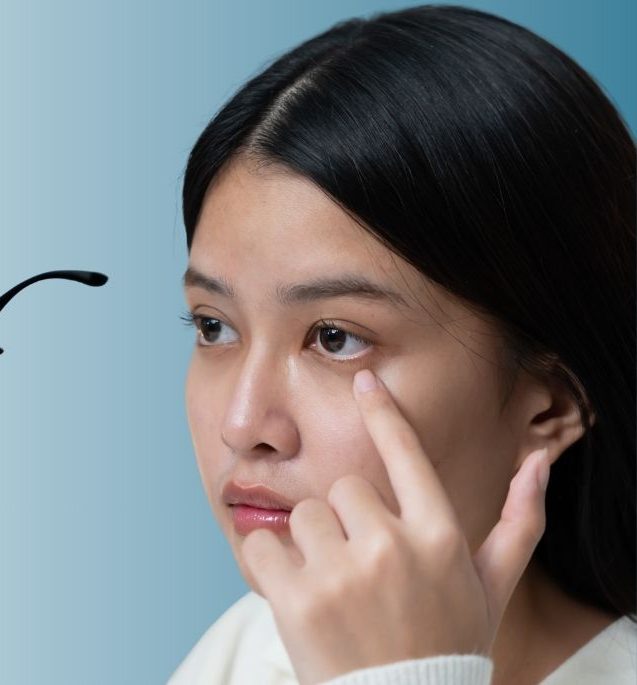
Dry eye symptoms usually affect both eyes and tend to build gradually rather than appearing overnight:
This catches a lot of people out. It seems logical that dry eyes should never water — but the opposite is often true. When your eyes become dry and irritated, they trigger a reflex response that produces a sudden flood of watery tears to try to compensate. The problem is that these “reflex tears” are mostly water, lacking the oil and mucus layers that a healthy tear film needs to actually keep your eyes properly lubricated. So your eyes can be genuinely dry at a chronic level while regularly watering in response — it’s not a contradiction, it’s actually one of the clearest signs of an unstable tear film.
These four conditions share overlapping symptoms, which is exactly why so many people struggle to identify what they’re actually dealing with:
| Condition | Key Distinguishing Signs |
|---|---|
| Dry eyes | Gritty, burning sensation, worse by end of day, may paradoxically water, no significant itching |
| Allergic conjunctivitis | Intense itching, watery discharge, often with sneezing or a runny nose, linked to a specific trigger |
| Blepharitis | Crusty, red eyelid margins, worse in the morning, ongoing rather than occasional |
| Digital eye strain | Tired, achy eyes with headache, worse after screen use, improves with rest, less gritty than true dry eye |
A useful rule of thumb: if itching dominates, think allergy. If crusty eyelids dominate, think blepharitis. If it’s grittiness and burning that build through the day, particularly with screen use, dry eye is the most likely culprit.
Understanding which type you have helps explain why some treatments work better than others:
Many people actually experience a combination of both, which is why a proper assessment matters rather than guessing based on symptoms alone.
Dry eyes can develop from a wide range of factors, often combined:
Screen use has become one of the most common contributors to dry eyes, and it’s often underestimated. When you focus on a screen, your natural blink rate drops by up to half, meaning your tear film isn’t being refreshed as often as it should be. Combined with screens often being positioned at eye level (which widens the eye opening compared to looking down at a book), more of the eye’s surface is exposed to air and evaporation.
Contact lenses sit directly on the tear film and can worsen dry eye symptoms considerably:
Dry eyes are notably more common in women, particularly around and after menopause, due to hormonal changes affecting both tear production and the oil glands that stabilise the tear film. Many women don’t realise this connection and instead assume their symptoms are unrelated to hormonal changes happening elsewhere in the body. If dry eyes develop or worsen around perimenopause or menopause, it’s genuinely worth mentioning this timing to a GP, as it can help guide the most effective treatment approach, including considering whether hormone-related options are relevant to your wider care.
A GP or optometrist can usually diagnose dry eyes based on your symptoms and a simple eye examination, sometimes using a slit lamp to check the quality and stability of your tear film. They’ll ask how long you’ve had symptoms, whether they’re worse at certain times of day, your screen use and contact lens habits, and whether you’re taking any medications known to cause dryness. In more persistent or unusual cases, further tests may be used to measure tear production and check for underlying conditions like Sjögren’s syndrome.
When over-the-counter drops aren’t enough: Mild dry eyes often respond well to regular artificial tears alone. If you find yourself needing drops more than four to six times a day, or your symptoms aren’t improving after a few weeks of consistent use, this is a clear sign to move beyond self-treatment and get a proper assessment, since ongoing untreated dryness can occasionally affect the surface of the eye.
Book an online GP appointment if:
Dry eyes are often dismissed as a minor irritation, but persistent symptoms deserve a proper look, especially since the right treatment depends heavily on what’s actually causing them. Our online GPs are available 7 days a week — get the right diagnosis, the right treatment, and real relief.
NHS England — Dry Eyes Published: December 2023 | Last Reviewed: December 2023
NHS England — Blepharitis Published: January 2023 | Last Reviewed: January 2023
Dry, irritated eyes trigger a reflex that produces watery tears to compensate, but these lack the oil and mucus needed to properly lubricate the eye — so watering and true dryness can happen at the same time.
Yes, an unstable tear film can cause temporary blurring that often improves with blinking. Persistent or worsening blurred vision should always be checked by a professional.
Preservative-free artificial tears are generally recommended, especially if you need to use drops frequently or wear contact lenses, as preservatives can worsen irritation with repeated use.
For many people, dry eyes are a manageable, ongoing condition rather than something that’s permanently cured, though consistent treatment and identifying the underlying cause can significantly reduce symptoms.
Yes. Screen use significantly reduces your natural blink rate, which disrupts the tear film and is one of the most common modern contributors to dry eye symptoms.
Yes, hormonal changes around menopause commonly affect both tear production and the oil glands supporting the tear film, making dry eyes considerably more common in this group.
Often yes, with adjustments — daily disposables and preservative-free drops can help, but persistent discomfort despite these changes is worth discussing with a GP or optometrist.
Mild cases often improve within a few weeks of consistent artificial tear use, while more persistent cases involving meibomian gland dysfunction can take several weeks to months of consistent treatment.
Allergic conjunctivitis typically causes intense itching alongside watering, often with a runny nose or sneezing, whereas dry eyes cause more burning and grittiness without significant itching.
Yes, antihistamines, decongestants, antidepressants, and some blood pressure medications are commonly linked to reduced tear production.
Dry eye usually affects both eyes, so if only one eye is significantly affected, it’s worth having it assessed to rule out another underlying cause.
Rarely, but if left completely untreated over a long period, chronic dryness can occasionally affect the surface of the eye, which is why persistent symptoms shouldn’t be ignored indefinitely.




Simple. Fast. Efficient. We have streamlined the process.