
In the medical field, there are various types of documents that serve crucial purposes. Two common documents that people often confuse with each other are medical letters and medical certificates.




In Sickness and in Health” denotes a long-term commitment between people, but in the context of medicine, it also denotes the complex connection that develops between patients and their general practitioners (GPs) throughout the process of managing sick notes. Despite their apparent simplicity, these documents have a big impact on a person’s ability to get medical benefits, paid time off from work, and even legal considerations. With an examination of the function, the consultation procedure, the legal implications, and the wider effects on people and workplaces, this in-depth piece seeks to clarify the complexities surrounding GP sick notes.
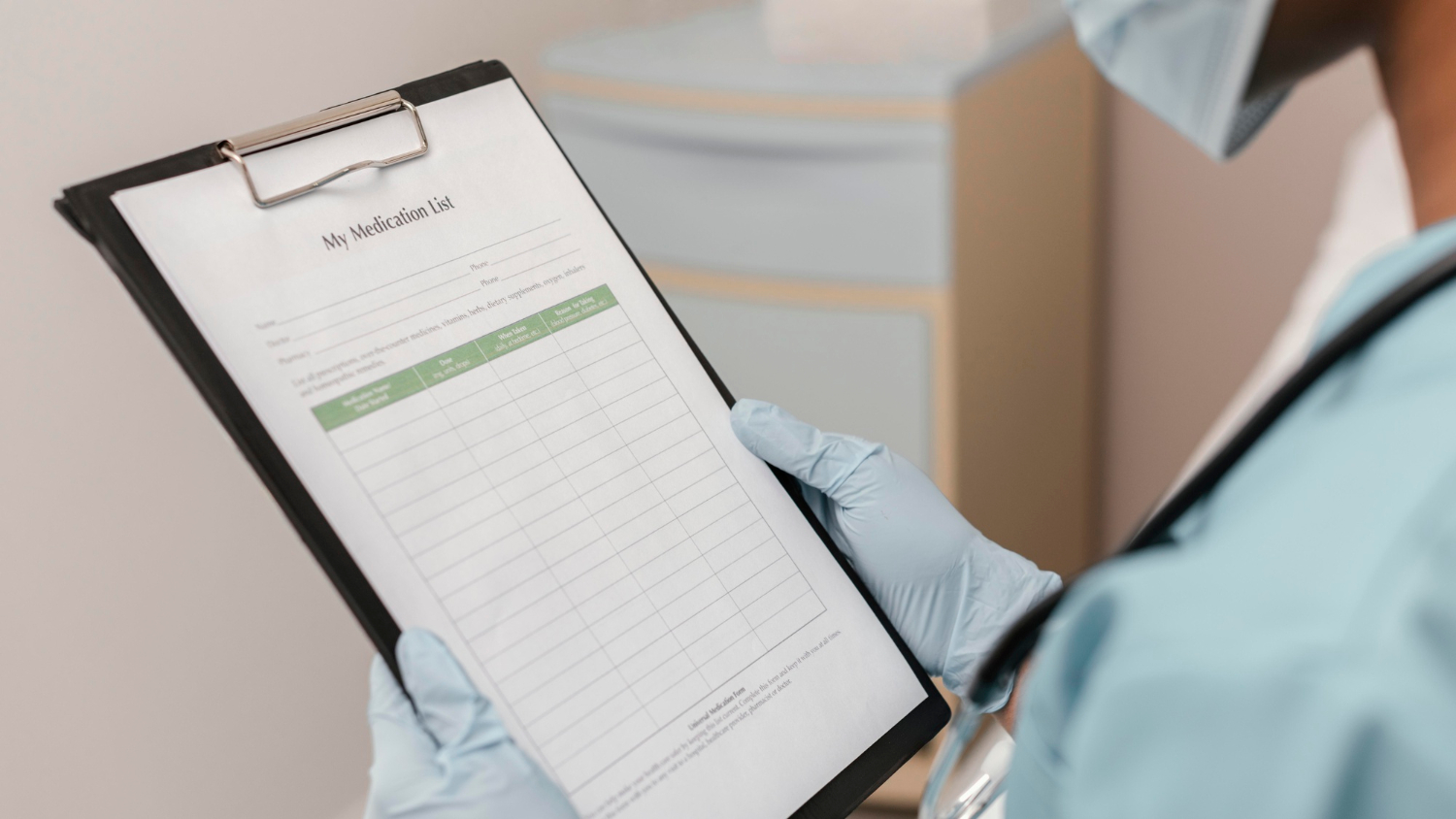
Essentially, a GP sick note is a medical certification attesting to a patient’s incapacity to work as a result of disease or accident. Although this sounds simple, there’s more to this than just justifying absence. These notes serve as an essential means of communication for controlling health-related absences, since they provide responsibility and transparency between employers, patients, and healthcare professionals.
A consultation between the patient and their healthcare provider is required in order to obtain a GP Sick Note. This procedure entails a thorough evaluation of the patient’s state rather than just collecting a piece of paper. General practitioners assess the extent of the disease or damage, how it affects the patient’s capacity to work, and any special needs related to rehabilitation. Talks may also cover possible return-to-work schedules and modifications to help with a seamless return to the workplace.

GP Sick Notes have legal relevance in addition to being a medical record of a worker’s absence from work. As stated in these remarks, employers have a duty to respect and take into account the health needs of their employees. Failing to comply with this could have legal repercussions, such as allegations of discrimination or wrongful termination. In order to preserve a just and encouraging work environment, employers and employees must both be aware of the legal ramifications of GP sick notes and follow all applicable laws and procedures.
Getting a doctor’s note for illness can have a big effect on people and workplaces. For patients, it affirms their medical status and gives them the time off they need to concentrate on their recuperation without having to worry about work commitments interfering. Prolonged absences, however, can provide problems for employers since they can impact output, workload distribution, and organizational dynamics as a whole. To alleviate these problems and establish a balance between individual health demands and organizational goals, effective communication between all stakeholders is crucial.
In summary, “In Sickness and in Health: Understanding GP Sick Notes” sheds light on the complex characteristics of these ostensibly straightforward records. GP sick notes for work represent the delicate balance between an individual’s health, the dynamics of the workplace, and legal requirements, in addition to serving as medical certificates. Through understanding their goals, honoring the consultation process, and managing legal issues, people and organizations may create a supportive environment that puts productivity and health first.