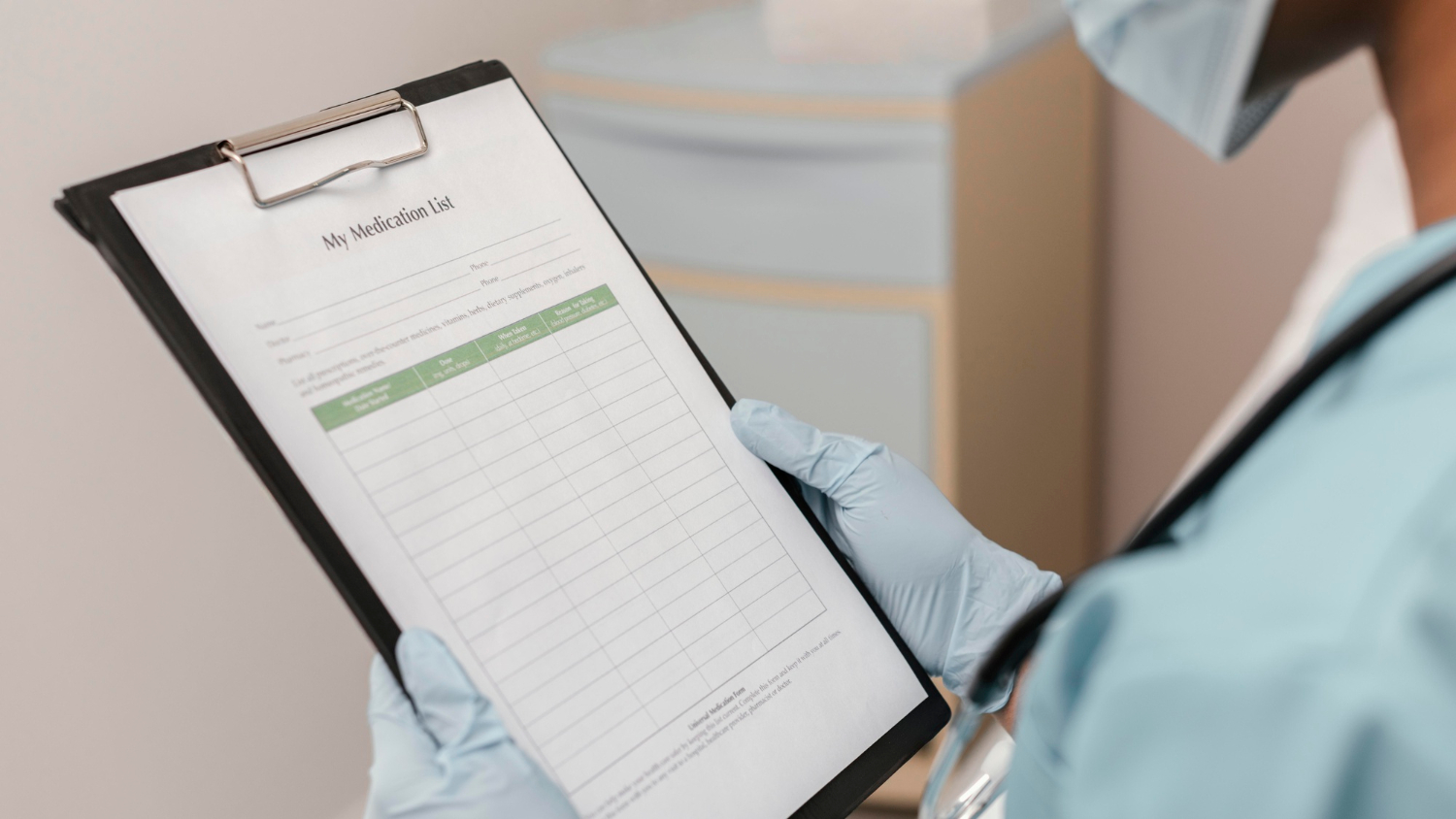
In the medical field, there are various types of documents that serve crucial purposes. Two common documents that people often confuse with each other are medical letters and medical certificates.




Travelling during pregnancy can be both exciting and daunting. For expectant mothers, ensuring a safe journey is a top priority, and that often involves obtaining a Fit to Fly letter for pregnancy. This document is essential for pregnant women planning to fly, as many airlines require it to confirm that travelling is safe for both mother and baby.

A Fit to Fly letter for pregnancy is a medical certificate issued by a healthcare professional, such as your GP or midwife, that verifies your fitness to travel by air. The letter usually includes:
Airlines request this document to ensure the safety of their passengers and to avoid complications during the flight.
Most airlines require a Fit to Fly letter for pregnancy if you are:
Policies can vary, so it is essential to check the specific requirements of the airline you plan to fly with. Generally, airlines want reassurance that there are no complications and that you are unlikely to go into labour mid-flight.
Obtaining a Fit to Fly letter for pregnancy is a straightforward process:
A Fit to Fly letter for pregnancy should include the following details:
Having all this information ensures the document is accepted without any issues.
Airline policies regarding pregnant passengers can differ significantly. Some general guidelines include:
Always verify the airline’s specific rules well in advance of your travel date.
Even with a Fit to Fly letter for pregnancy, it is important to take extra precautions while travelling:
While flying is generally safe during pregnancy, certain risks should be considered, including:
If you have a high-risk pregnancy or any underlying health conditions, consult your healthcare provider before making travel plans.
A Fit to Fly letter for pregnancy is a vital document for expectant mothers planning to travel by air. It ensures the safety of both mother and baby while meeting airline requirements. By obtaining this letter and taking necessary precautions, you can enjoy a comfortable and worry-free journey. Always consult your healthcare provider and airline to ensure all guidelines are met before you fly.
Even for domestic flights, airlines may require a Fit to Fly letter for pregnancy, especially if you are in your third trimester. Always check the airline’s policy.
A Fit to Fly letter for pregnancy is typically valid for a short period, such as two weeks. Ensure your letter is issued close to your travel date.
Travelling without a required Fit to Fly letter for pregnancy could result in the airline refusing to allow you to board. It is always safer to have the document.
While there is no universal template, most healthcare providers know what to include. It’s advisable to confirm with your airline if they have specific requirements.